
Shop
Description
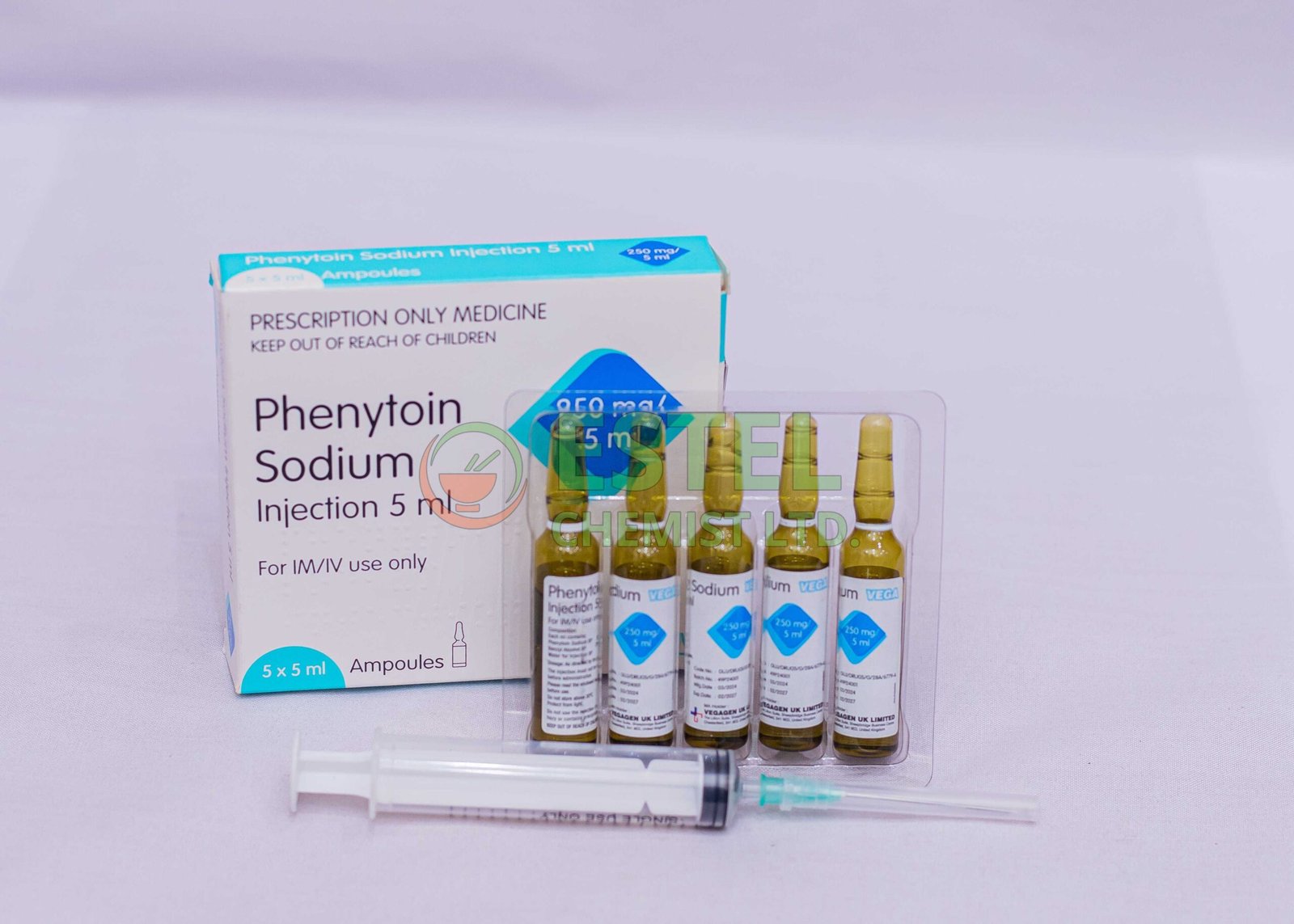
Phenytoin Injection 250mg/5ml is a medication used to control seizures, particularly in emergencies like status epilepticus. It is administered intravenously and is available in 5ml ampoules, each containing 250mg of phenytoin sodium.
**Primary Medical Uses:**
Phenytoin is primarily used to manage and prevent various types of seizures, including generalized tonic-clonic (grand mal) and partial seizures. It is also utilized in the acute treatment of status epilepticus, a life-threatening condition characterized by continuous or rapidly recurring seizures.
**Drug Class:**
Phenytoin belongs to the class of anticonvulsant medications, which work by stabilizing electrical activity in the brain to prevent seizures.
**Mechanism of Action:**
Phenytoin stabilizes neuronal membranes and reduces seizure activity by inhibiting sodium ion influx during neuronal depolarization, thereby decreasing the excitability of neurons.
**Common Forms:**
Phenytoin is available in various forms, including oral tablets, chewable tablets, oral suspension, and intravenous injection.
**Dosage Instructions:**
For adults experiencing status epilepticus who have not previously received phenytoin, an initial loading dose of 20mg per kilogram of body weight is recommended. This dose should be administered intravenously over 20 minutes. For patients already on phenytoin therapy but not adequately controlled, a ‘top-up’ dose may be calculated using the formula:
Phenytoin sodium ‘top-up’ dose (mg) = (20 – measured concentration (mg/L)) x 0.7 x weight (kg)
Maintenance doses typically range from 3 to 5mg per kilogram of body weight per day, divided into two doses. The first maintenance dose is usually administered 12 to 24 hours after the loading dose. Intravenous phenytoin should be administered at a rate not exceeding 50mg per minute to minimize the risk of adverse effects. In patients who are elderly or have pre-existing cardiac conditions, the infusion rate should be reduced to 25mg per minute. Continuous monitoring of ECG, blood pressure, and respiratory function is essential during the infusion. ([rightdecisions.scot.nhs.uk](https://www.rightdecisions.scot.nhs.uk/tam-treatments-and-medicines-nhs-highland/adult-therapeutic-guidelines/nervous-system/seizures-guidelines/phenytoin-dose-calculations-guidelines/?utm_source=openai))
Phenytoin is contraindicated in patients with hypersensitivity to phenytoin or any of its excipients, as well as in those with certain heart conditions, such as sinus bradycardia, sino-atrial block, and second and third-degree atrioventricular block. Co-administration with delavirdine is also contraindicated due to potential interactions. ([patient-info.co.uk](https://patient-info.co.uk/epanutin-ready-mixed-parenteral-250-mg-5ml-solution-for-injection-or-infusion-85645/summary-of-medicine-characteristics?utm_source=openai))
Common side effects of phenytoin include dizziness, drowsiness, and ataxia. Serious adverse effects can include cardiovascular events, such as hypotension and arrhythmias, especially when administered rapidly. Long-term use may lead to gingival hyperplasia, hirsutism, and coarsening of facial features. Regular monitoring of phenytoin serum levels is recommended to ensure therapeutic efficacy and minimize toxicity.
Reviews
There are no reviews yet.